Side A
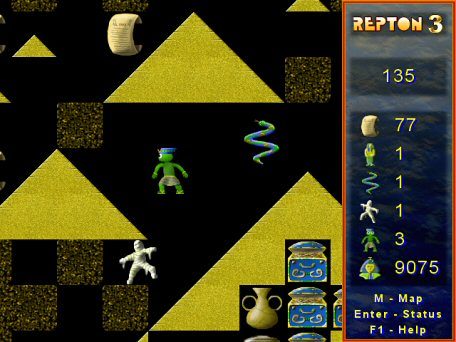
Side A BBC Micro · Acorn Electron · Windows shareware · 1982–2010
This British 8-bit games archive is built around one idea: a claim is worth nothing without a date on it. Every entry records when it was written and when it was last checked against something you can open yourself.
Spool demo Tape left 0
Play it yourself18
Entries held
8
Micros compared
6
Still sold
4
Publishers gone
Two eras, one audience, and a British 8-bit games archive assembled because the record had started to disappear.
Between 1982 and 1992 Britain bought home computers in numbers that had no precedent and has had no repeat. The BBC Micro went into schools, the Acorn Electron went into the houses of the children who had used one there, and a generation learned that software arrived on cassette and took four minutes to load if it loaded at all. The games written for those machines were made by very small teams working against very hard limits, and a surprising number of them are still worth playing.
What happened next is less well documented. The same appetite for small, cheap, idiosyncratic games did not disappear when the 8-bit machines stopped being sold — it moved to Windows and became the shareware scene. Between roughly 2000 and 2010 hundreds of one- and two-person studios sold games directly from their own websites, with a free demo and a registration code, and no storefront in between.
That second era is the one at risk. A cassette in a loft still exists. A game sold from a domain that has since expired does not, and neither does its manual, its patch history or the page that explained what it was. This British 8-bit games archive covers both periods for that reason: the 8-bit material is well loved and reasonably safe, and the shareware material is neither.
The work here is deliberately unglamorous. Entries are written from the record and from direct checks. Where the record establishes something, it is stated. Where it does not, the entry says so — which is why several pages in this archive name no publisher at all. An archive that guesses is worse than one with gaps, because a gap is visible and a guess is not.
Every title this archive holds has been checked again and dated, and the finding is not comfortable. This archive covered games for six years and then stopped, which leaves a frozen list of small studios as they stood around 2007. Nobody sets out to record an industry at a moment and then walk away from it, so checking that list now produces information that does not exist anywhere else.
Of the 18 entries held here, 6 are still commercially available — every one of them either a Superior Software title carried forward by the company still trading on that name, or a game whose studio survived intact. 4 have lost their publisher, their product page, or the domain they were sold from. The rest cannot be resolved either way from the record.
One case is worth singling out because it explains the method. A game in this archive was sold from its own dedicated domain. That domain still answers a request with a normal response — and serves a United Kingdom betting affiliate site with no connection to the game. A status code of 200 established nothing. Reading the page established everything.

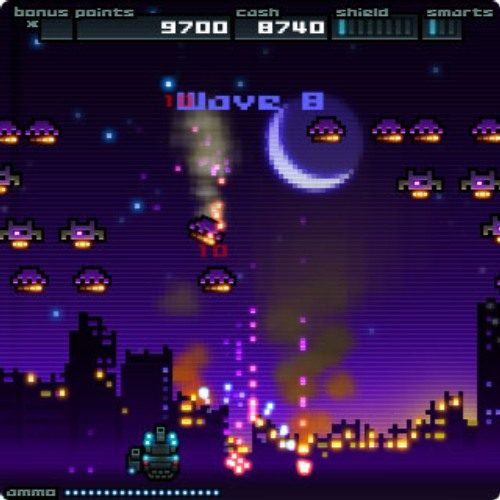
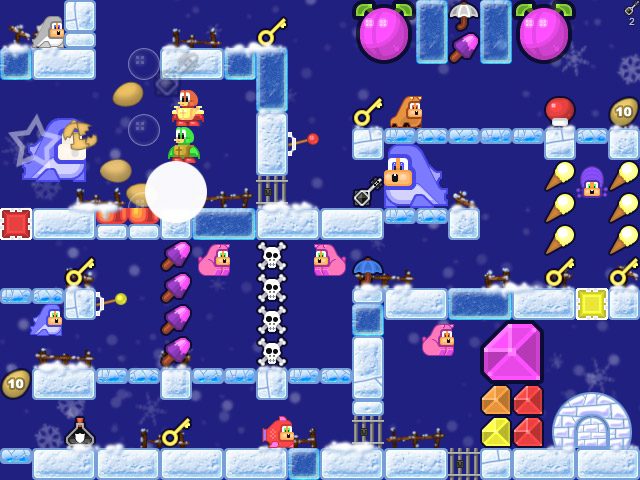
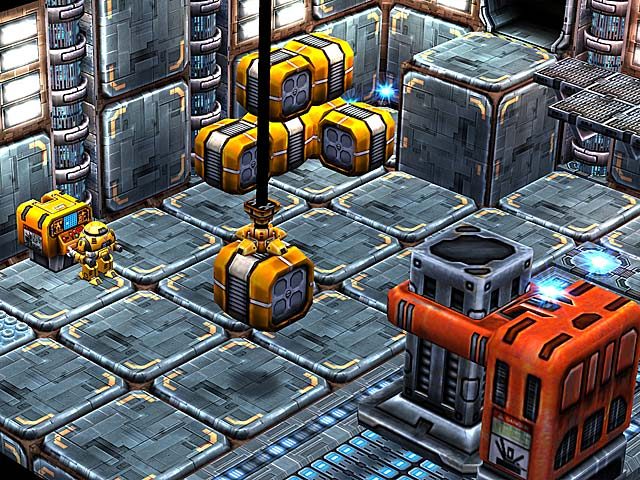
A puzzle series that outlived its hardware, a shooter whose studio is still trading, and a game whose address was taken over.
Side A
Side A
Side A
Side A
Side A
Side A
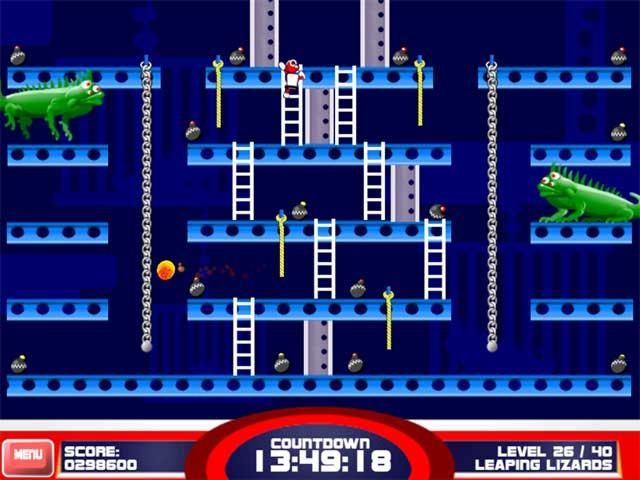
More from the shareware years: Bonbon Quest, Bound Around, Coin Planets, Dirk Dashing, Joystick Johnny, Rage of Magic 2, Storked.
Eight micros, twelve specification rows, launch prices as published at the time.
Arguments about which machine was better were the background noise of the entire decade, and most of them were conducted without numbers. The comparison engine here puts any two of eight machines side by side on twelve rows, which settles some of those arguments and makes others much worse. The Acorn Electron and the BBC Micro share a processor and a clock speed and do not perform alike, for a reason the table explains.
The dates on these pages are not build dates. Each entry carries the date its page first appeared, which for the oldest material in this British 8-bit games archive is late 2005. Where a page has been rewritten the writing is new; the date it was first published is not moved forward, because moving it would misrepresent when the coverage started.
Commercial statuses are separate and carry their own date. They were all last verified on 31 July 2026, by requesting the publisher or product address directly and reading what came back. That distinction matters: the description of a 1986 puzzle game does not go out of date, and the question of whether you can still buy it goes out of date constantly.

Four pages that argue something, rather than record it.
Most of this archive is a register: what a game was, who sold it, whether you can still buy it. Four pages do a different job. They were written to make a case, and they are kept apart from the entries because a judgement dates in a way a description does not.
Between 2006 and 2007 this site ran reviews across two pages, which at the time meant a real word count instead of a paragraph and a score. Only a handful of titles got that treatment, and the selection says something on its own — nobody writes two pages about a game they are indifferent to. Two survive here in full: Gibbage and Bonbon Quest, both from 2006.
A conversion is a claim about what a game essentially was, and the parts that get dropped are the ones nobody thought to defend. Resolution is the argument everybody has. Timing is the one that matters: an Acorn Electron game was written against memory contention that slowed the processor in particular graphics modes, and reproducing the code faithfully on fast hardware produces a different game.
Eight studios published the games held here. Checked again on 31 July 2026, four are still trading, one answers only in part, and three have gone: two leave a domain that resolves to something else entirely, one leaves nothing at all. Each card records the address that was requested and what the page that came back actually said.
In May 2007 this site ran a giveaway of the kind every small games site ran: an entry form, a closing date, one copy of a game for the winner. It closed on schedule. The page is kept at the address it was published at, because it was cited there for years and a page that has been referred to for that long is part of the record whether or not the thing it describes is still happening.
What is here, what is not, and how a status gets decided.
Individual entries for the games this site covered between 2004 and 2010, a launch-specification comparison for eight home micros, a dated status audit of every title, and a timeline of the decade the machines were sold in.
Every entry records when it was first published here and when its commercial standing was last checked. Nothing is presented as current unless it carries a date.
The BBC Micro and the Acorn Electron are covered in most depth, because that is where the Superior Software catalogue sits and where this archive holds the most material. The ZX Spectrum, Commodore 64, Amstrad CPC 464, Dragon 32 and Oric-1 appear in the comparison engine.
The Windows shareware entries are here because the same audience carried on buying small games from small studios long after the 8-bit machines stopped being sold.
No. This is a reference archive, not a download site. Where a game is still commercially available the entry links to the publisher that sells it; where it is not, the entry says so and records what was checked.
Each publisher or product address is requested directly and the result is recorded with the date. A response of 200 is not treated as proof on its own — one address in this archive answers normally and serves an unrelated betting site, which is why the page content is read rather than just the status code. All statuses on the site were last checked on 31 July 2026.
Because the record does not establish one. Several pages carried a description, a screenshot strip and system requirements without a publisher credit. Where that is the case the entry says so rather than attributing the game to a plausible-sounding studio.