Side A
Side A
Bound Around
Publisher not established
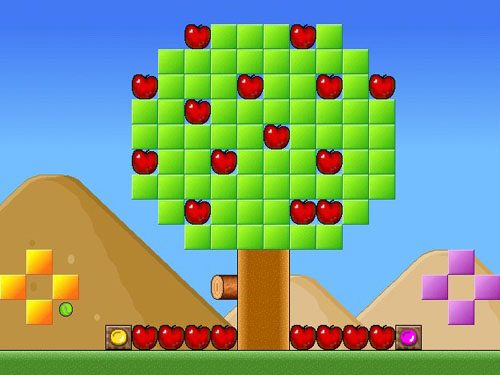
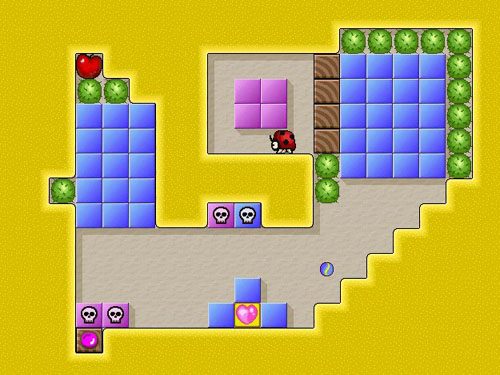
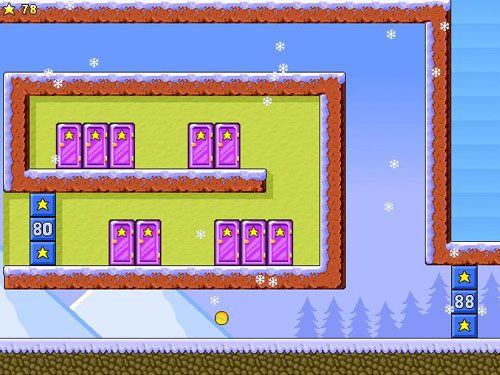
Bound Around is a room-by-room puzzle game built on a single mechanic — the player bounces and cannot simply stop — stretched across more than a hundred and sixty rooms.
Standing in 2026
Not established
Two nofollow references and a bare listing are the whole record; nobody is named anywhere in it. Checked again on 31 July 2026 with no source found.
Written from the record this site kept at the time, and from what can be checked today.
A movement constraint is a strong basis for a puzzle game because it removes the option to stand still and think in place. Every room becomes a question of momentum: where the bounce takes you, what it takes you over, and which order the obstacles have to be cleared in so the rhythm still works at the end.
The listing published here recorded over a hundred and sixty rooms, which is the design betting heavily on the mechanic holding up. Whether it does is not something the record can settle, and this entry does not pretend otherwise. No publisher was credited and no present source was found.
The scale is the most concrete fact the record preserves, and it says something about how these games were sold. More than a hundred and sixty rooms is a volume argument: the buyer is being told there is enough here to be worth the money. In an era when the alternative was a free demo of somebody else's game, quantity was a reasonable thing to advertise, and level counts appear on almost every page in this archive.
The level count was the sales argument, and that is worth reading in context. In a market where the alternative was a free demo of somebody else's game, telling a buyer there were more than a hundred and sixty rooms was a statement about value for money. Almost every page in this archive leads with a number of some kind for the same reason.
Two details in the listing are about respect for the buyer's time rather than about play, and both were commercial arguments in this market. The game saved progress automatically and advertised that solved rooms would not be repeated, which in a set of a hundred and sixty rooms is the difference between a puzzle collection and a chore. The order also carried a second game bundled with it. Bundling a whole extra title into a nineteen-dollar purchase tells you what a single independent puzzle game was worth on its own by the middle of the decade, and the requirements — a 300 MHz processor, 64 MB of memory and an 8 MB graphics card — confirm the machine it was aimed at was already an ordinary one.
Established: the constrained-movement mechanic, the room count as advertised, and the date of coverage. Not established: publisher, author, year, or current availability. It is the familiar shape of these smaller entries — a design described in detail by somebody who never signed their name to it.
Answers are limited to what the record and a direct check support.
Constrained movement. The player bounces rather than walking, so each room is a momentum problem and standing still is not an option.
The listing published here recorded over one hundred and sixty puzzle rooms.
Constrained movement. Because the player bounces rather than walking, each room is a momentum problem and there is no option to stop and reposition, so the order in which obstacles are cleared matters.
More than a hundred and sixty, as advertised on the page this archive holds. That is the seller's figure rather than a verified count.
Other entries sharing this one's genre or machine.
Side A
Side A
Side A