Side A
Side A
Joystick Johnny
Publisher not established
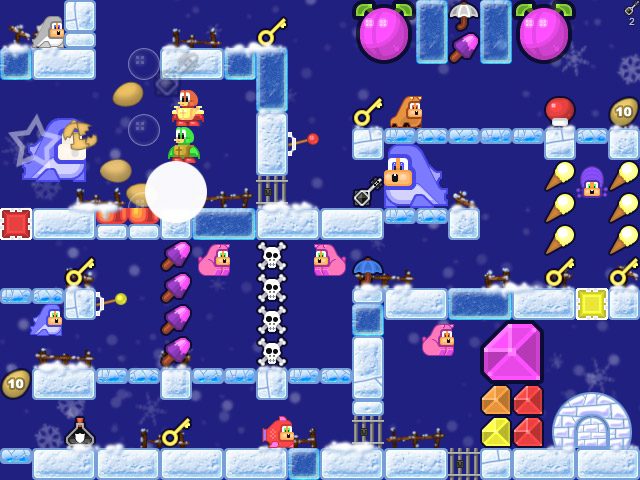
Joystick Johnny is a collection of arcade parodies played against the clock, and an unusually direct record of which coin-op games a 2008 audience was assumed to recognise.
Standing in 2026
Not established
The listing published here carried no publisher credit and no current source was established on 31 July 2026.
Written from the record this site kept at the time, and from what can be checked today.
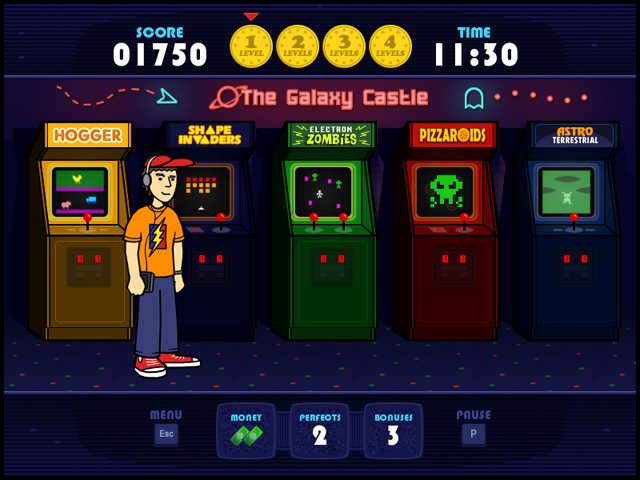
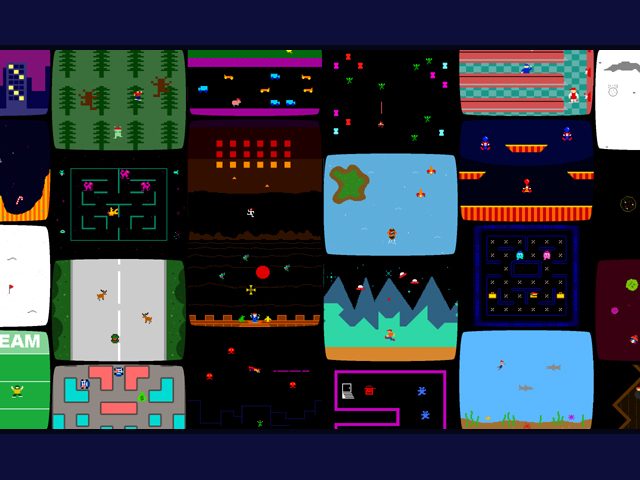
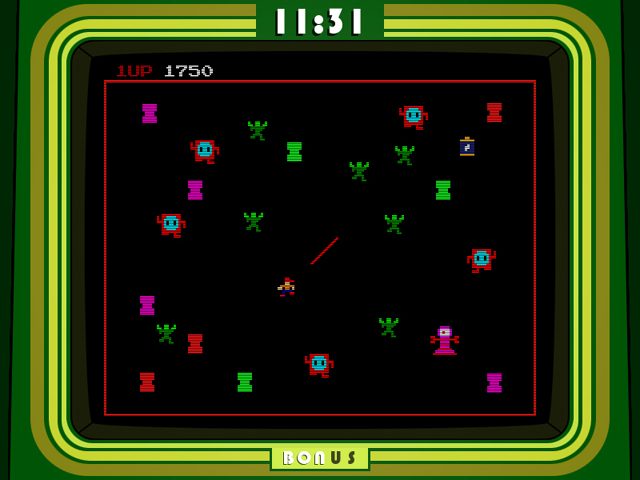
The format is a marathon of very short games, each one a joke about a machine the player is expected to know on sight. Three were named on the page, and the names are the interesting part: Hogger, Pizzaroids and Moonwalk Patrol. Read them out and the targets are unmistakable — a frog crossing traffic, an asteroid field, a lunar patrol vehicle — which is exactly the point. A parody only works if the reader gets it without help, so the selection records what counted as common knowledge in 2008.
The framing device is worth recording because it does real work. Johnny does not select the minigames from a menu; the description has him jumping into them, inside an arcade, against a clock. That turns a collection into a single continuous run and gives the twenty-five parodies a reason to sit next to each other, which a menu would not.
The setting deserves a note of its own. The games are parodies of coin-op machines, and the wrapper around them is an arcade — described on the page as an authentic one. By 2008 the British arcade had largely gone, so the frame is nostalgic for the room rather than for the games inside it, and a player who bought this was buying a building as much as twenty-five jokes. That is a distinction this archive keeps running into: the machines are collected and emulated everywhere, and the places they stood in are not recoverable at all.
Beyond that the design is straightforward: over twenty-five minigames across more than a hundred levels, a personal online scoreboard, and something hidden in every one of them to find. It is built for short sessions and competitive comparison rather than for progression.
The commercial model shows in the feature list. Sharing the full game with up to three friends was advertised as a benefit, which reads oddly now and made complete sense then: the seller wanted the game circulating, because circulation was the advertising. The personal scoreboard did the rest, giving a reason to keep it installed after each parody had been seen once.
The requirements place it at the far end of this archive's range. Windows 98 through Vista, on a page carrying a 2008 copyright line, makes this one of the last things the site listed — and Vista's presence means the listing was written for a machine most of the other pages here predate. No publisher is credited anywhere on it.
Established: the minigame and level counts as advertised, the scoreboard, the hidden-item structure, the sharing arrangement, and three parody titles by name. Not established: the publisher, the author, the release year, or any current source. The page carried an unusually full feature list and no credit at all, which is the combination that makes a title hardest to trace.
Answers are limited to what the record and a direct check support.
The page this site carried recorded over twenty-five minigames spread across more than a hundred levels, with a personal online scoreboard and a hidden item in each.
Not established. The listing published here carried a full description and feature list but no publisher credit, and no current source was confirmed.
Three are named on the page this archive holds: Hogger, Pizzaroids and Moonwalk Patrol, pointing at a frog-crossing game, an asteroid field and a lunar patrol vehicle respectively. The remaining twenty-odd are not named and are not established here.
Not established. The page carried a detailed feature list without a publisher credit, and no current source was confirmed.
Other entries sharing this one's genre or machine.
Side A
Side A
Side A