Side A
Side A
Hap-Hazard
Cellosoft
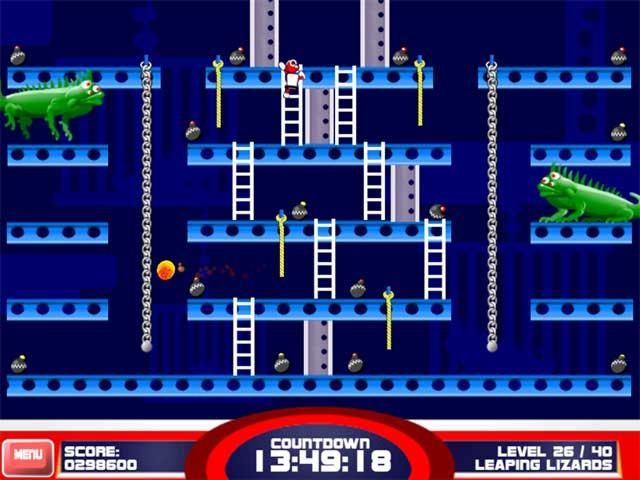
Hap-Hazard was presented from the start as a tribute to Jumpman, which makes it a useful case of the remake culture this site was built around.
Standing in 2026
Publisher dark
cellosoft.com answers, but it is now served from a code-hosting platform's pages service and the game's own path under that domain returns 404. The studio address survives; the product page does not. Verified 31 July 2026.
Publisher: Cellosoft
Written from the record this site kept at the time, and from what can be checked today.
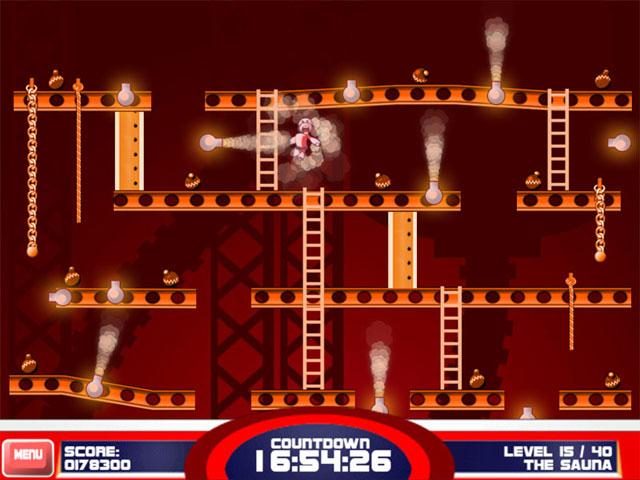
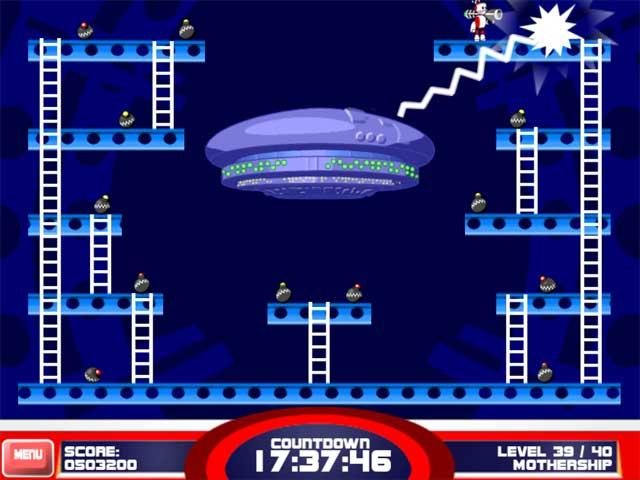
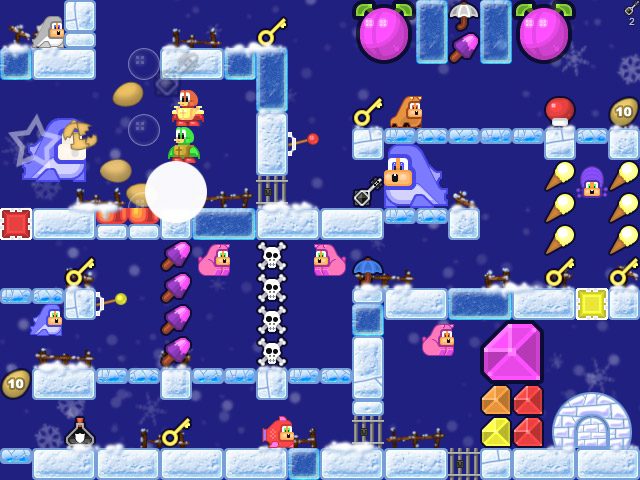
The structure is inherited openly: a single screen at a time, bombs to defuse, ladders and ropes to climb, and hazards that behave consistently enough to be learned. Forty levels is a large number for that formula, and the game leans on variety of hazard rather than variety of layout to carry them — smart projectiles, failing machinery, and rooms whose rules bend part-way through.
The framing around that structure is more specific than most listings here bothered with. The setting is a space station named Icarus, under attack; the antagonist is named as Otto Oblivion; and the objective across all forty levels is to defuse plasma bombs before they go off. The hazard list is itemised too — smart darts that track the player, robots described as malfunctioning rather than hostile, melted steel, and distortions of reality itself. Naming an antagonist and a station in a game about defusing bombs on a timer is doing narrative work that the mechanic does not require, which is a small sign of how much care went into a two-page sales listing.
One external trace records a version number the page itself did not. A Spanish-language download portal that deep-linked to this address lists the game at version 1.01, which places it just past a first release — far enough to have had one round of fixes, not far enough to have been revised. For a title with no established release year, a point release is a thin but real piece of chronology.
The current state is an unusual one and worth distinguishing from the outright disappearances elsewhere in this audit. The studio's domain still answers, but it is now served from a code-hosting platform's static pages service, and the path the game occupied returns a not-found response. The registration outlived the move; the product page did not survive it.
The migration is worth understanding as a general pattern rather than as one studio's decision. Moving a site onto a free static-hosting service is what happens when somebody wants to keep an address alive without paying for a server, and it usually means rebuilding the site from whatever files still exist. Product pages, being the most complicated part of an old site, are the most likely thing not to make the journey.
The tribute framing was also the commercially sensible one. Describing a game as a tribute rather than as a version of Jumpman set expectations for buyers and kept a clear distance from somebody else's property, which for a small studio selling directly was worth more than the marketing value of a borrowed name.
Established: publisher, the tribute framing as the page itself described it, the forty-level structure, the named setting and antagonist, the plasma-bomb objective, and the current state of the studio address and the product path. Not established: release year, or whether the game was placed anywhere other than the studio's own site and the portals that indexed it.
Answers are limited to what the record and a direct check support.
Jumpman. The page this site carried described it that way at the time, and the single-screen bomb-defusing structure follows directly from it.
No. The studio domain answers but is now served from a code-hosting platform's pages service, and the game's path under it returns a not-found response. Verified 31 July 2026.
No, and it never claimed to be. It was presented as a tribute — the same single-screen bomb-defusing structure, its own levels and content — which is a different kind of work from a conversion.
Not from this archive. The studio domain answers but the product path returns a not-found response, and restoring somebody else's page is not something a reference archive should be doing.
Other entries sharing this one's genre or machine.
Side A
Side A
Side A