Side A
Side A
Galaforce
Superior Software
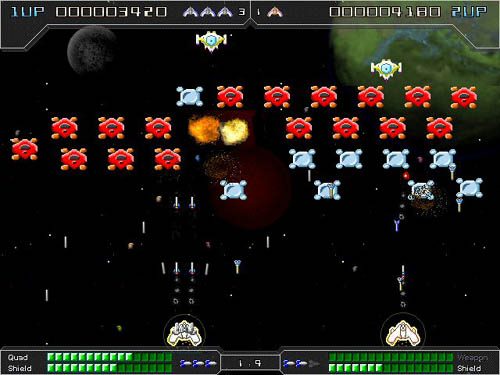
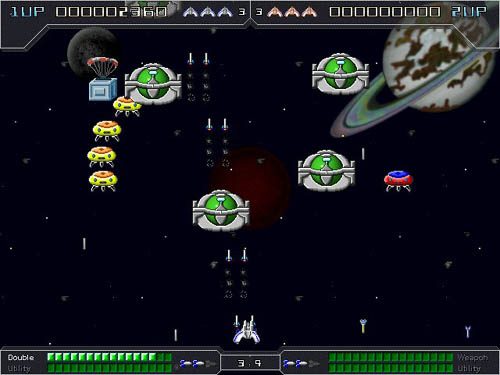
Galaforce is a fixed-screen shooter whose difficulty comes from learning the shape of each wave rather than from shooting faster.
Standing in 2026
Still sold
Superior Interactive continues to trade and lists conversions of the Superior back catalogue, verified by direct request.
Publisher: Superior Interactive
Written from the record this site kept at the time, and from what can be checked today.
Enemies enter along set paths and leave along set paths. Once a wave is understood there is a place to stand and a moment to fire; before it is understood the same wave looks like chaos. That gap between the two readings of the same screen is the whole game, and it is why players describe progress in Galaforce as remembering rather than improving.
The BBC Micro version has the sound hardware to give each wave its own signature, which turns out to matter: on the Electron, with a single sound channel, the audio cue that tells an experienced player which wave is arriving is largely gone.
Sound is doing more work in this game than its specification suggests. On a machine with three tone channels, each wave arrives with its own audible signature and a practised player reacts to the sound before the sprites resolve. Take that away, as the Acorn Electron does with its single channel, and the same code becomes a meaningfully harder game — a difference no comparison of processors would predict.
The commercial shape was ordinary for the period: a full-price cassette release from an established publisher, with a sequel following. What is less ordinary is how much of the game's difficulty rests on hardware the buyer might not have had — a player on the cheaper Acorn machine was, in a real sense, playing a harder game for the same money.
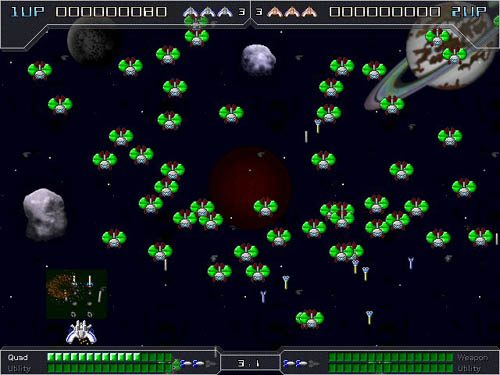
One caution about figures, because it is the sort of thing that quietly corrupts a record. The page this archive holds documents the later Windows release, which is a different product from the 1986 original and carries its own numbers: four alien worlds across sixty-six stages, twenty-four alien types plus four power-aliens, a two-player team mode, and an editor with formation, pattern and galaxy builders. None of those figures can be moved back onto the BBC Micro and Electron release, and this entry does not move them. The design idea is continuous between the two; the content is not, and the wave count for the original remains one of the things the record here does not establish.
Established: the publisher, both machines, the fixed-screen pattern-learning design, and current availability. Not established: the number of waves, or whether the wave paths differ between the two machine versions. Both are the kind of detail that would need the software in front of you rather than a record about it.
Answers are limited to what the record and a direct check support.
Chiefly memory. Waves follow fixed paths, so play improves by learning where to stand for each pattern rather than by reacting faster.
Most audibly. The BBC Micro has three tone channels and the Electron has one, so the per-wave audio cues that experienced players rely on are much reduced.
In practice yes, though not by design. With one sound channel instead of three, the audio cues that tell an experienced player which wave is arriving are largely absent, and the machine is slower in the graphics mode the game uses.
Not established here. The record describes the design rather than enumerating its content, and this archive does not supply a count it cannot check.
Other entries sharing this one's genre or machine.
Side A
Side A
Side A